
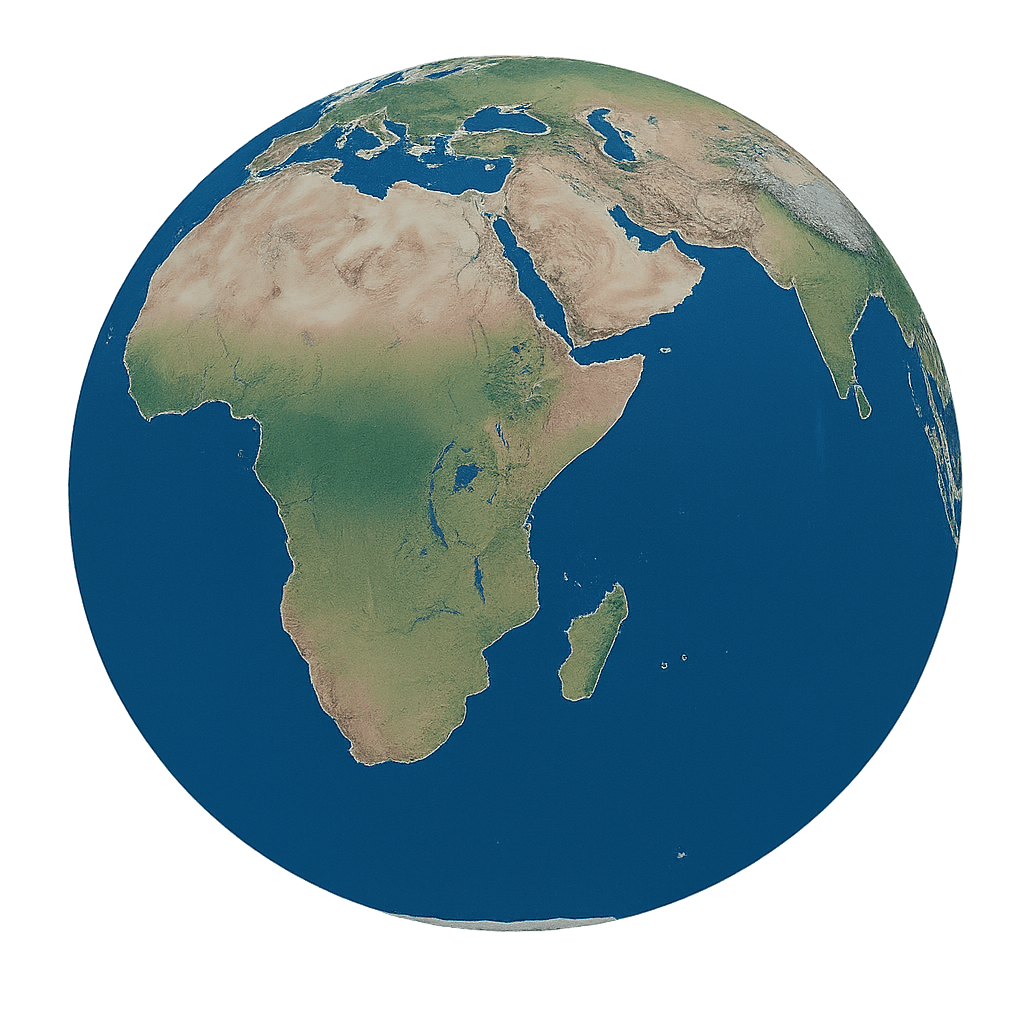
Energy & Investment in Kuwait: Kuwait Petroleum Corporation (KPC) signed a $16 billion lease-and-leaseback deal for its crude oil pipeline network under Project Peregrine, with Kuwait Oil Company forming a joint venture with Blackstone, Brookfield and KKR for 20.5 years—KPC calls it the largest foreign direct investment in Kuwait’s history. Regional Security & Environment Risk: The US-Iran conflict keeps spilling into Kuwait’s airspace and infrastructure, with Iran claiming drone strikes on US sites in Kuwait and the US issuing worldwide travel cautions as embassies across the Middle East warn of possible attacks. Local Urban Safety: An investigation into Jleeb Al-Shuyoukh highlights how overcrowding, illegal building modifications and delayed enforcement have left residents facing growing safety risks. Cyber Resilience: ZainTech is set to offer Cohesity managed backup services across Kuwait and the region, aiming to strengthen enterprise continuity.
AGP Executive Report
Your go-to archive of top headlines, summarized for quick and easy reading.
Note: AI summary from news headlines; neutral sources weighted more to help reduce bias in the result. Feedback is welcome. Please let us know if you have any comments or suggestions about the AGP Executive Report.
Middle East Security & Travel: The US issued heightened caution for Americans in the region, warning of possible flight cancellations and airspace closures as Iran-US strikes continue, with Kuwait named among places where drone and missile attacks have been reported. Kuwait’s Water-Energy Risk: With Kuwait relying on desalination for most drinking water, reports say renewed strikes on power stations and desalination plants are raising fears of water supply disruption—especially because some facilities produce both electricity and desalinated water. Shipping & Energy Pressure: The Red Sea remains tense as Houthis target Saudi-linked tankers, pushing Brent above $100 and reviving worries about chokepoints and higher fuel costs. Diplomacy vs Escalation: Pakistan is reportedly exploring renewed US-Iran talks, but Iran says it won’t accept a temporary ceasefire unless Strait of Hormuz demands are met. Local Governance & Housing Safety: Kuwait’s crackdown on overcrowded, illegally modified housing in Jleeb Al-Shuyoukh spotlights long-delayed enforcement and ongoing safety risks. Energy-Saving Push: Kuwait’s campaign urging residents to switch off AC and lights to protect the electricity grid continues amid regional power threats. Cyber Resilience: ZainTech and Cohesity plan managed backup services for enterprises across Kuwait and the region, aiming to strengthen always-on data protection.
Energy Security in Kuwait: Kuwait is again facing water-and-power anxiety after reports that Iran struck power stations and desalination plants, with authorities urging electricity cuts—especially AC use—because Kuwait relies on desalination for about 90% of drinking water and cogeneration links power and water supply. Red Sea Shipping Risk: Houthis attacked two Saudi oil tankers in the Red Sea, pushing Brent above $100 and raising fears of wider supply disruption beyond the Gulf. Local Policy & Economy: Kuwait’s new “Commercial Concealment Law” aims to tackle market distortions and support sustainable growth, while separate coverage highlights Kuwait’s persistent public-private employment divide (80.1% of Kuwaitis in the public sector; private sector dominated by expatriates). Conservation Push: Kuwait’s Electricity, Water and Renewable Energy ministry held an awareness lecture on rationalizing home and workplace consumption under a “Save for Sustainability” campaign. Youth & Skills: Zain Kuwait backed Kuwait University’s Capstone Program, and NBK sponsored an ALT summer program for middle school students. Environment & Community: A Kuwait metal-detecting volunteer club says it recovered about 2,000 beach items while promoting safe, regulation-aware beach cleanups.
Energy & Water Security: Kuwait’s air defences intercepted Iranian drones after fresh attacks, while the wider Iran–US conflict also raised alarms about threats to desalination and Gulf infrastructure. Maritime Pollution Risk: Houthis said they targeted Saudi oil tankers in the Red Sea, with officials stressing crew safety and marine-environment protection—another reminder that shipping disruptions can quickly turn into environmental hazards. Electricity Saving Push: Kuwait’s Ministry of Electricity, Water and Renewable Energy held an awareness lecture on “Save for Sustainability,” urging households and workplaces to cut power and water use to protect national resources. Education for Skills (Youth): The Ministry of Education reported strong turnout in summer clubs and launched new evening cultural and educational clubs to strengthen Arabic, English and math ahead of the school year. Community & Nature: A Kuwait metal-detecting volunteer group says it has recovered about 2,000 valuables from beaches, combining community help with environmental rules. Cycling for Health: Support is building for a proposed Kuwait bike park, framed as a safe, healthy and environmentally friendly community space.

Kuwait Security Update: Kuwait’s General Staff says air defences intercepted Iranian drones, with explosions reported across parts of the country tied to interception operations, as regional tensions keep pressure on Gulf airspace. Water & Energy Resilience: Kuwait’s electricity, water and renewable energy ministry met Canada’s ambassador to discuss cooperation on energy efficiency, sustainability, and modern technologies—aimed at upgrading infrastructure in line with Sustainable Development Goals. Red Sea Shipping Risk: Houthis claim they struck two Saudi oil tankers in the Red Sea after US strikes on Iran, warning that attacks and possible route disruptions could further strain global energy supplies and marine safety. Local Community & Volunteers: Kuwait Red Crescent Society hosted students to boost volunteerism and humanitarian awareness, including first-aid training and tours of KRCS relief work. Youth & Society: Kuwait’s Ministry of Justice ran a youth-focused drug awareness seminar under “A Nation That Protects You,” while the Women’s Affairs Committee held its first meeting to push empowerment and review related legislation.
Energy Diplomacy: Kuwait’s Minister of Electricity, Water and Renewable Energy Dr Sabeeh Al-Mukhaizeem met Canada’s ambassador to discuss boosting cooperation in electricity, water and renewable energy, including energy-efficiency know-how and sustainable technologies. Women’s Empowerment: The Social Affairs Minister Dr Amthal Al-Huwailah pushed to activate the Women’s Affairs Committee, aiming to unify efforts, review legislation, track international women-development indicators, and build a national register of women leaders. Water & Power Security: As Iran-linked strikes keep rattling the region, Kuwait faces renewed pressure on electricity and desalination systems, with authorities urging residents to cut AC use to protect the grid. Cyber Resilience: ZainTECH and Cohesity partnered to expand AI-powered managed cyber resilience services across Kuwait and the region, including immutable backup and ransomware protection. Local Community Response: Kuwait Red Crescent welcomed IICO summer students for first-aid training and humanitarian awareness, including disaster-response learning. Global Context: US-Iran escalation continues to disrupt Gulf shipping and raise energy-price risks, keeping mediation efforts under strain.
Kuwait Energy Under Fire: Kuwait’s Cabinet condemned Iranian missile and drone attacks, saying they violated sovereignty and hit power generation and water desalination facilities, with air defenses intercepting hostile projectiles and emergency teams containing fires while some units were taken offline. Electricity Conservation Push: With the grid under strain, Kuwaitis are cutting AC use and authorities urged continued rationing and conservation as officials warned essential services must stay running through peak summer. Water Security Risk: Reports say repeated strikes are targeting coastal infrastructure that supports drinking water, raising fears that damage to desalination and power systems could ripple across daily life. Strait of Hormuz Shipping Disruption: Oil prices climbed above $90 as attacks on tankers and renewed Hormuz tensions slowed transits, including reports of a Kuwait-owned tanker hit near Oman. Solar for Public Services: Kuwait Fund for Arab Economic Development and UNDP signed a $3m grant for Lebanon to install photovoltaic systems and energy-efficiency upgrades to cut diesel use, costs, and emissions. KUFPEC Pakistan Expansion: Kuwait’s KUFPEC said it is seeking to expand upstream operations in Pakistan after talks with the petroleum minister. AI Governance Spotlight: A GCC report highlights Qatar’s centrally coordinated AI regulation approach, including workforce “AI literacy” as a compliance and competitiveness pillar.
Solar for public services: Kuwait Fund for Arab Economic Development (KFAED) and UNDP signed a $3m grant to install photovoltaic systems and energy-efficiency upgrades in Lebanon’s priority public institutions, cutting diesel use, costs, and emissions. Energy security under pressure: Kuwait’s Cabinet praised public response to the “Waffir” electricity and water conservation push as Iranian strikes threaten power and desalination capacity, with residents urged to reduce AC use to protect the grid. Shipping and climate risk in the Gulf: Strait of Hormuz tensions keep disrupting merchant traffic, with reports of tankers being hit and crews abandoning ships; the knock-on effect is higher oil prices and added strain on regional energy and water systems. Kuwait’s regional energy ties: KUFPEC discussed expanding cooperation in Pakistan’s upstream sector with Kuwait’s petroleum minister, reinforcing long-running investment links. Finance with a sustainability angle: Kuwait International Bank’s Islamic arm joined a $2.75bn Saudi Real Estate Refinance Company sukuk issuance, supporting capital flows toward “sustainable” investment opportunities.
Kuwait Environment Watch: The Environment Public Authority (EPA) warned residents, contractors and demolition firms against dumping construction and demolition waste on roads and sidewalks, stressing it must go to designated disposal sites and citing Environmental Protection Law penalties of up to KD 500. Local Energy & Services: Kuwait’s Ministry of Oil is pushing the upgrade of local fuel stations into the global Q8 brand, aiming for more efficient, more sustainable stations with digital and service improvements. Healthy Cities: Jahra Governorate launched steps toward becoming a “Healthy Governorate,” aligning coordination and an action plan with WHO standards for a healthier, more sustainable environment. Regional Risk to Kuwait’s Water & Air: As US-Iran tensions escalated, Kuwait reported intercepted missile and drone attacks, with explosions linked to air defence activity; the wider conflict also raised fresh concerns for critical infrastructure and regional shipping through the Strait of Hormuz. E-commerce Rules: Kuwait issued new regulations for electronic platforms and delivery intermediaries to boost transparency and consumer protection, including clear disclosure of prices, commissions and delivery fees before orders are confirmed.
Healthy Governorate Push: Jahra Governorate launched its Supreme Committee to prepare Jahra as a “Healthy Governorate,” aligning coordination across agencies with World Health Organization standards and a sustainable development action plan. E-commerce Rules: Kuwait’s Ministry of Commerce and Industry issued a new framework for electronic platforms and delivery intermediaries, requiring clear price and fee disclosure, transparent merchant info, and tighter consumer protection. Waste Enforcement: The Environment Public Authority warned residents and contractors against dumping demolition and construction waste on roads or sidewalks, citing Environmental Protection Law penalties up to KD 500 and urging use of designated disposal sites. Kuwait in the Iran Conflict: Iran-linked attacks and counterattacks kept Kuwait in the spotlight, including reports of missile/drone activity and strikes affecting critical infrastructure, while global shipping disruption around the Strait of Hormuz pushed Brent above $90. Water Security Warning: Kuwait officials said desalination and power facilities were hit, with residents urged to cut electricity and water use—another reminder of how fragile Gulf water systems can be.
Climate Diplomacy: Kuwait’s Environment Public Authority opened a UNFCCC training course for national climate negotiators, aiming to build local expertise for stronger participation in global talks. Energy & Water Security: As US-Iran tensions escalate, oil prices jumped above $90 a barrel and shipping risks rose around the Strait of Hormuz; the wider Gulf situation is also raising alarms for energy and water reliability. Regional Condemnation: The GCC and EU jointly condemned Iranian attacks affecting Kuwait and other Gulf states, stressing freedom of navigation and calling for an immediate halt to violations. Local Finance & Tech: QIIB and Visa signed a collaboration to boost digital payments growth in Kuwait, focusing on data-led portfolio management and customer engagement. Humanitarian Aid: Sheikh Abdullah Al-Nouri Charity and the ICRC agreed on a $600,000 Gaza support package, including clean water delivery and medical supplies. Green Skills: Boursa Kuwait and INJAZ Kuwait empowered 931 students with financial literacy and entrepreneurship programs.
Gulf Security: The EU and GCC condemned Iranian attacks on Kuwait, Bahrain, the UAE, Qatar, Oman and Jordan, plus attacks on shipping in the Strait of Hormuz, calling them violations of international law and demanding Tehran halt immediately. Kuwait Climate Diplomacy: Kuwait’s Environment Public Authority opened a UNFCCC training course for national negotiators, aiming to build local expertise for climate talks while balancing international commitments with national interests. Water Under Pressure: Reports of strikes tied to the wider US-Iran escalation included damage and disruption risks to water and desalination infrastructure across the region, underscoring how quickly environmental services can be hit during conflict. Humanitarian Aid: A Kuwait charity and the ICRC signed a $600,000 partnership for urgent Gaza needs, including clean water delivery and support for desalination repairs and medical care. Sustainable Finance & Learning: Boursa Kuwait wrapped a financial literacy partnership with INJAZ Kuwait for 931 students, while KFAED backed a 6MW solar plant in Turkey to cut emissions and support refugee-host communities. Green Tech Recognition: Zain Kuwait was named “5G-Advanced Network Innovation Leader GCC 2026,” highlighting tech upgrades that can support smarter, more efficient services.
Gulf Security & Energy: The US said it completed an eighth straight night of strikes on Iran, aiming to “punish” IRGC forces after a deadly Jordan attack and to degrade Iran’s ability to threaten shipping in the Strait of Hormuz. Kuwait Impact: Kuwait reported Iranian attacks hitting power and desalination facilities, with fires contained and KPC warning of injuries and significant damage at a critical oil-sector site. Water Risk: A separate report said a US strike disrupted drinking water for about 10,000 people in 20 Iranian villages after damage to a desalination facility—highlighting how fragile water systems can be during conflict. Diplomacy & Navigation: The EU and Gulf states demanded permanent freedom of navigation through Hormuz and rejected any restrictions or fees, while Iran said it suspended MoU commitments after US violations. Local Environment & Heat: Kuwait’s midday outdoor work ban (11:00am–4:00pm) showed full compliance after 356 site visits, as officials push safer summer conditions. Marine Safety: Kuwait Dive Team salvaged a sunken vessel off Marina Sharq, warning that damaged ships can release pollutants harmful to marine life.
Water Security Under Fire: Iran’s strikes hit Kuwait’s power and water desalination infrastructure, damaging generation units and sparking fires that firefighters later contained; authorities urged electricity rationing during peak hours as emergency plans kicked in, with Kuwait noting the attack threatened a key drinking-water source in a region that relies heavily on desalination. Airspace Disruptions: Kuwait suspended flights and closed Kuwait International Airport after missile and drone attacks, while the army said air defences intercepted hostile targets and residents should follow civil safety instructions. Regional Escalation: The wider US-Iran confrontation continued with a seventh night of US strikes on Iran and retaliatory attacks across the Gulf, raising fears for shipping and energy routes. Heat & Energy Demand: Separate from the conflict, Kuwait also pushed summer measures to curb electricity use, highlighting that homes and air conditioning drive most of the country’s power demand. Local Resilience: Kuwait’s midday outdoor work ban results showed strong compliance, reinforcing heat-safety efforts for workers during extreme summer temperatures.
Water Security in Focus: Iran-linked strikes damaged Kuwait’s power and desalination infrastructure, with authorities saying a fire was contained and emergency contingency plans were activated; the hit matters because Kuwait relies on desalination for about 90% of drinking water. Air Defence Update: Kuwait’s General Staff confirmed active interception of hostile missiles and drones after “sinful Iranian aggression,” urging residents to follow civil defence safety instructions. Regional Escalation: The US and Iran traded wider strikes across the Middle East, including bridges and energy sites, while Iran warned of further action and targeted infrastructure in Gulf states. Shipping & Energy Pressure: With Strait of Hormuz tensions rising, reports point to disruptions affecting maritime traffic and global markets, adding pressure to an already fragile energy and logistics system. Marine Cleanup: Kuwait Dive Team salvaged a sunken vessel off Salmiya, warning that chemical waste at sea can harm marine life, including coral reefs.
Water Security Under Fire: AP reports Iranian strikes damaged a Kuwait desalination plant, knocking out power and sparking a fire that was contained—another reminder that Kuwait’s drinking water depends heavily on vulnerable desalination infrastructure. Regional Airspace Alert: Kuwait’s military says it intercepted hostile ballistic missiles and drones, with injuries and damage reported as the 2026 Iran war escalates. Sea Pollution Risk: Kuwait Dive Team salvaged a sunken boat off Salmiya waters, warning that chemical waste left at sea can harm the marine environment and coral reefs. Shipping Threat Spreads: INTERTANKO warns risks now extend beyond the Strait of Hormuz “from Kuwait and out into the Gulf of Oman,” as attacks and military activity disrupt commercial routes. Sustainable Finance Boost: IFC invested $100 million in Jordan Kuwait Bank’s second green bond issuance, supporting climate-aligned projects across the region. Local Environment & Resilience: Kuwait’s Ministry of Social Affairs and UN partners discussed sustainable development initiatives, targeting priority groups and SDG-focused programs.
Strait of Hormuz Risk for Kuwait: The US carried out another wave of strikes on Iran, hitting targets including Iranshahr airport, Bandar Abbas rail infrastructure and multiple bridges, while Iran retaliated with missile and drone attacks across the Gulf, including Kuwait—prompting Kuwait to activate air defences and raising fears of wider disruption to the region’s energy lifeline. Maritime Safety: A tanker was reported struck by an unknown projectile off Oman; authorities said the crew was safe and no environmental impact was reported—another reminder of how quickly shipping hazards can escalate during Hormuz tensions. Kuwait’s Green Finance Move: IFC will invest up to $100m in Jordan Kuwait Bank’s second green bond to fund climate adaptation and resilience projects, building on the bank’s earlier green bond work on water and wastewater. Local Food Security: Kuwait’s marine fish farming project is reported at 67% completion and expected to be fully operational by 2030, aiming to boost seafood supply, stabilize prices, and reduce pressure on wild fish stocks. Sustainable Development Cooperation: Kuwait’s Social Affairs Ministry met UN partners to expand sustainable initiatives for women, children, the elderly and people with disabilities under the SDGs. Energy & Worker Safety: Kuwait’s electricity ministry visited an injured Pakistani technician after an overhead line repair accident, stressing strict safety procedures as grid work continues.
Kuwait Grid Safety: Kuwait’s Ministry of Electricity, Water and Renewable Energy visited an injured Pakistani technician at Jahra Hospital after he was hurt repairing an overhead power transmission line, stressing worker safety and grid stability while teams rehabilitate damaged infrastructure. Sustainable Development Push: Kuwait’s Social Affairs Minister met the UN’s Kuwait representative to boost cooperation on Sustainable Development Goals, with a focus on women, children, the elderly, and people with disabilities through multi-partner initiatives. Domestic Work Reform: The Kuwait Union of Domestic Labor Offices said it’s expanding recruitment agreements with labor-exporting countries and highlighted protections in Kuwait’s Domestic Labor Law, including working hours, rest days, end-of-service benefits, and return tickets. Green Finance: IFC will invest up to $100m in Jordan Kuwait Bank’s second green bond to fund climate adaptation and resilience projects in Jordan. Regional Energy Risk: Renewed US-Iran strikes and Iran’s retaliation included attacks on Kuwait, while aviation advisories urged airlines to avoid parts of the Gulf amid heightened missile and drone risks.
Kuwait Infrastructure & Roads: Kuwait’s Public Works Ministry is preparing an inclusive tender for truck weighing stations, routes and smart monitoring to curb overloaded trucks that damage asphalt and cause subsidence and potholes. Animal Welfare: Activists say extreme summer heat is driving a rise in abandoned cats and dogs, calling for mandatory microchipping, pet registration, tougher penalties for abandonment and stronger enforcement of animal welfare rules. Marine & Food Security: A government project on “Economic Production of Multiple Marine Fish” is 67% complete, aiming to stabilize seafood prices, reduce pressure on wild stocks and cut price spikes by scaling fish farms by 2030. Climate Preparedness: The Kuwait Red Crescent Society, with ICRC and UNDP, ran a climate change preparedness workshop to strengthen humanitarian response and sustainable development capacity. Energy Transition: KCCI urged wider private-sector participation in Kuwait’s energy transition push toward carbon neutrality by 2060, reviewing an executive plan and partnership mechanisms. Urban Safety Crackdown: Interior authorities launched a major inspection campaign in Jleeb Al-Shuyoukh targeting building code violations, overcrowding, encroachments and unlicensed commercial activity. Digital Services: NBK launched a Digital Business Card to connect customers with staff via QR/NFC for faster, more personalized service. Regional Security Shock: US-Iran escalation continues to rattle the Gulf, with reports of strikes and retaliation including attacks linked to Kuwait and Bahrain—raising risks for shipping and regional stability.
Climate & Disaster Readiness: Kuwait Red Crescent Society, with ICRC and UNDP, ran a climate change preparedness workshop to boost humanitarian response skills and support vulnerable communities. Energy Transition: Kuwait Chamber of Commerce and Industry urged deeper private-sector participation in energy transition projects, aligning with the goal of carbon neutrality by 2060. Sustainable Finance: IFC is investing up to $100m in Jordan Kuwait Bank’s second green bond, backing climate adaptation and resilience projects. Animal Welfare in Extreme Heat: Animal lovers in Kuwait launched an online push for mandatory microchipping and tougher penalties for pet abandonment as summer temperatures soar and more cats and dogs are left to suffer. Local Security & Public Safety: Kuwait launched a major security and inspection campaign in Jleeb Al-Shuyoukh, with multiple agencies checking illegal buildings, encroachments, unsafe housing, and unlicensed activities. Environment & Community: Kuwait’s ministries also promoted energy and water conservation, while a separate push called for protection of plant diversity. Airspace Risk: EASA advised airlines to avoid parts of the Gulf, including Kuwait, due to heightened US–Iran tensions and drone/missile threats. Golden Residency (Investment Climate): Kuwait granted its first 15-year Golden Residency to LuLu Group chairman Yusuff Ali, aiming to attract long-term investment.
Sign up for:
Green News Kuwait
The daily local news briefing you can trust. Every day. Subscribe now.
Check Your Email!
We sent a one-time activation link to: .
Confirm it's you by clicking the email link.
If the email is not in your inbox, check spam or try again.
Welcome back!
is already signed up. Check your inbox for updates.